DIY vs. Professional Roof Repair: Which Is Right for You?
Your roof is one of the most important parts of your home. It protects your family, your belongings, and the overall structure of your property from the elements year-round. When damage happens, many homeowners face the same question: should you tackle the repair yourself or call a professional roofing contractor?
While some minor roofing tasks may seem manageable, not every roofing issue is safe—or cost-effective—to handle on your own. Understanding the difference between simple maintenance and repairs that require expert attention can save you time, money, and future headaches.
In this guide, we’ll break down common roof repair options, discuss practical DIY roof repair tips, explain the benefits of professional roofing services, and help you determine when to hire a roofer.
Understanding Common Roof Problems
Before deciding whether to repair your roof yourself or contact a professional, it’s important to identify the issue correctly. Some roofing problems may appear minor on the surface but could indicate deeper structural concerns.
Common roofing issues include:
Missing or damaged shingles
Roof leaks and water stains
Flashing damage around chimneys or skylights
Gutter overflow causing roof deterioration
Storm or wind damage
Sagging roof sections
Ice dam damage during winter months
Mold, algae, or moisture buildup
Some of these problems can be spotted visually from the ground, while others require a trained eye and a closer inspection.
DIY Roof Repair: When It Makes Sense
There are situations where a homeowner may be able to safely handle minor roofing maintenance or small repairs. DIY work can be appealing because it may save money upfront and allow you to address small concerns quickly.
Simple DIY Roof Repair Tips
If you decide to take the DIY route, focus only on small, low-risk tasks such as:
Replacing a single missing shingle
Cleaning debris from gutters and valleys
Applying roof sealant to a very small exposed area
Removing leaves and branches after storms
Checking attic ventilation and insulation
Routine maintenance can help extend the life of your roof and reduce the likelihood of larger repairs down the road.
Benefits of DIY Roof Repairs
Some advantages of DIY roofing maintenance include:
Lower immediate costs
Faster response for small issues
Increased awareness of your roof’s condition
Preventative maintenance opportunities
However, even small repairs require caution. Roofing work can quickly become dangerous without proper safety equipment or roofing knowledge.
The Risks of DIY Roof Repairs
While online tutorials may make roof repair look simple, roofing systems are more complex than many homeowners realize. Incorrect repairs can lead to hidden leaks, structural issues, and expensive future damage.
Safety Risks
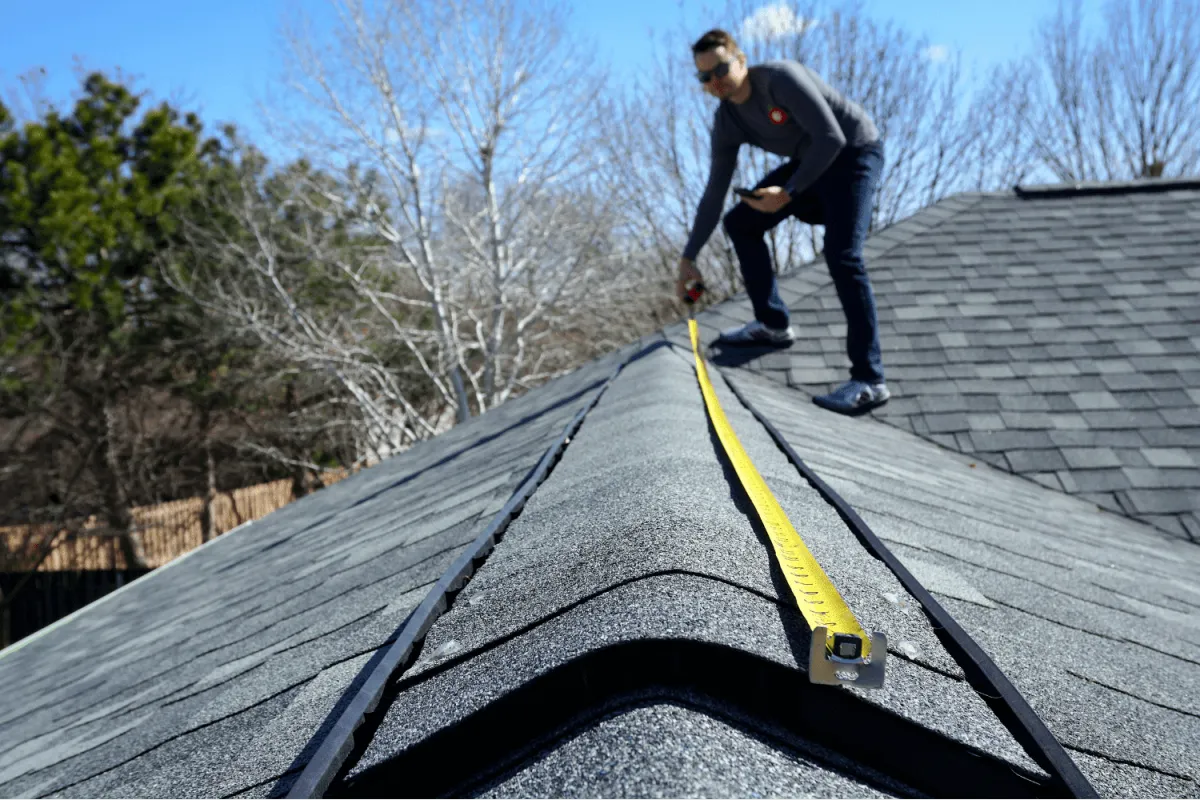
Roofing work involves serious fall hazards. Sloped surfaces, wet shingles, and unstable areas can create dangerous conditions for inexperienced homeowners.
Hidden Damage
What looks like a small leak may actually stem from damaged flashing, underlayment failure, or structural deterioration underneath the shingles.
Voided Warranties
Some roofing materials come with manufacturer warranties that require professional installation and repairs. DIY work could potentially void your coverage.
Short-Term Fixes
Temporary patch jobs may solve the visible problem briefly while allowing hidden water damage to continue spreading.
This is one reason many homeowners eventually turn toprofessional roofing servicesafter attempting DIY repairs first.
When to Hire a Roofer
Knowingwhen to hire a roofercan make all the difference in protecting your home and avoiding costly long-term repairs.
Call a Professional Roofing Contractor If:1. The Roof Is Leaking
Water intrusion can spread quickly into insulation, ceilings, walls, and structural components. Professional diagnosis is essential.
2. Storm Damage Is Involved
Wind, hail, or falling debris can create damage that may not be visible from the ground. Roofing professionals know how to inspect for hidden storm-related issues.
3. The Damage Covers a Large Area
Replacing multiple shingles or sections of roofing requires proper installation techniques to prevent future problems.
4. Your Roof Is Older
If your roof is approaching the end of its lifespan, repairs may need to be evaluated alongside replacement options.
5. Structural Concerns Exist
Sagging areas, rotting decking, or moisture intrusion should always be handled by experienced roofing professionals.
6. Insurance Claims Are Needed
Professional roofers can help document damage properly and assist homeowners through the insurance claim process.
Why Professional Roofing Services Matter
Hiring a trusted roofing contractor provides more than just labor—it provides peace of mind.
At Welch Roofing, we understand that every homeowner’s needs are different. Roofing is not just about replacing shingles. It’s about protecting your investment and helping you make informed decisions for the future.
That’s why our approach is built around four core principles that set us apart:
1. We Listen First, Then Build Solutions
Every homeowner has unique concerns, goals, and budgets. We take the time to understand what matters most to you before recommending any roofing solution.
2. Built for Today—and the Years Ahead
We don’t believe in temporary fixes that create future problems. Our roofing solutions are designed with long-term performance and durability in mind.
3. Thoughtful Guidance, Not One-Size Recommendations
Some contractors immediately push for replacement without understanding the full picture. We ask questions, inspect carefully, and provide guidance tailored to your home and situation.
4. Every Roof Is Unique—Backed by 40+ Years of Experience
No two homes are exactly alike. With more than four decades of experience, we approach every project individually to deliver the best possible solution.
Roof Maintenance Advice to Prevent Major Repairs
Preventative maintenance is one of the best ways to extend your roof’s lifespan and reduce repair costs over time.
Helpful Roof Maintenance Advice
Schedule annual roof inspections
Clean gutters regularly
Remove overhanging branches
Address small leaks immediately
Inspect after severe storms
Ensure proper attic ventilation
Watch for missing shingles or flashing damage
Routine inspections from a professional roofing contractor can identify small issues before they become major structural concerns.
DIY vs. Professional Roof Repair: Which Is Right for You?
The answer depends on the complexity of the issue, your comfort level, and the condition of your roof.
DIY Repairs May Work Best For:
Minor maintenance tasks
Small visible issues
Temporary emergency protection until professional service arrives
Professional Roofing Services Are Best For:
Leaks and water damage
Storm-related repairs
Structural concerns
Aging roofs
Large repair areas
Insurance-related claims
Long-term roofing solutions
In many cases, investing in professional roofing expertise upfront can actually save homeowners money over time by preventing repeated repairs and hidden damage.
Trust Welch Roofing for Honest Roofing Guidance
At Welch Roofing, we believe homeowners deserve honest communication, thoughtful recommendations, and roofing solutions designed for the long term.
Whether you need a roof inspection, repairs, or guidance on your roofing options, our team is here to help you make informed decisions with confidence.
We’re proud to combine decades of experience with a customer-first approach that focuses on listening, quality workmanship, and solutions tailored to your home.
Discover the Story Behind Welch Roofing
Discover what sets us apart—listen to our latest song that tells the story of Welch Roofing’s history and commitment to quality.
🎵 Learn more here:
Welch Roofing Our Story Theme Song